
Making Tax Digital (MTD) is coming in April 2026 and it isn’t just a compliance shift. Those who are affected will need to change the way they think about and act when it comes to their annual accounts - and as an accountant, you’re right at the centre of it.
Some clients will glide into the transformation with enthusiasm. Others will dig their heels firmly into the ground. Either way, you will be the person they look to for advice.
So, in our latest blog we look at the different types of clients you might face, the real-world issues they’re up against and we reveal a few practical strategies that you can use to bring them up to speed.
The not-tech literate client
This type of client keeps physical receipts in a box, prefers to write everything down on paper and when you ask them to download an app, in fact, forget it, there’s no point…
The truth is clients like this are resisting because of fear. They worry they’ll break something, make mistakes or look foolish.
So, to get them on board, you need to dial things back. Stop talking about MTD compliance and instead start with a conversation about bringing expenses into one place so they can get rid of receipts.
Instead of simply recommending a useful tool, why not arrange a quick 10-minute onboarding call? Clients like this often prefer visual instructions so walk them through the account set-up, show them how to connect their bank and be there as they snap their first receipt.
Trust us, once they see how easy digital recordkeeping is, their confidence will start to grow.
The time-poor client
These clients are always on the go and hard to pin down. Records are often sent late, not because they don’t care but because they’re simply drowning. They’re open to digital tools but they just don’t have the time to choose them, set them up or learn about them.
To get them onboard with MTD-approved software, you’ll need to frame it as a time-saver. Not to mention, do as much set-up as possible for them. That way, you become their time-saving hero and they’ll be more inclined to use the software.
The spreadsheet veteran
We’ve all come across them. The people that will proudly tell you their current system has worked for 20 years, and wholeheartedly believe moving away from spreadsheets will create more work. In reality, they fear losing control.
That’s why you need to emphasise they will still have control with any tool you provide. Plus, showing them the cost of staying manual may help to sway their decision. For example, lost receipts, missed deductions, hours spent reconciling and risk of error can all be removed and reduced with MTD-ready software.
A hybrid transition means they can keep their spreadsheets for now. Then, over time, they should begin to naturally rely on the digital version.
The no urgent need client
For some clients, the April 2026 date for MTD means they have little motivation to make changes now. In this event, it’s usually because they don’t see the personal benefit of MTD, only the obligation.
As their accountant, it’s your job to reframe MTD and any appropriate tools as a way to gain financial clarity - not just compliance. It’s also important to highlight any penalty points and it goes without saying that you should offer a minimum effort path.
Position digital recordkeeping as no spreadsheets, no manual sorting or extra admin - and that should do the trick!
Helping every client move forward (without stress)
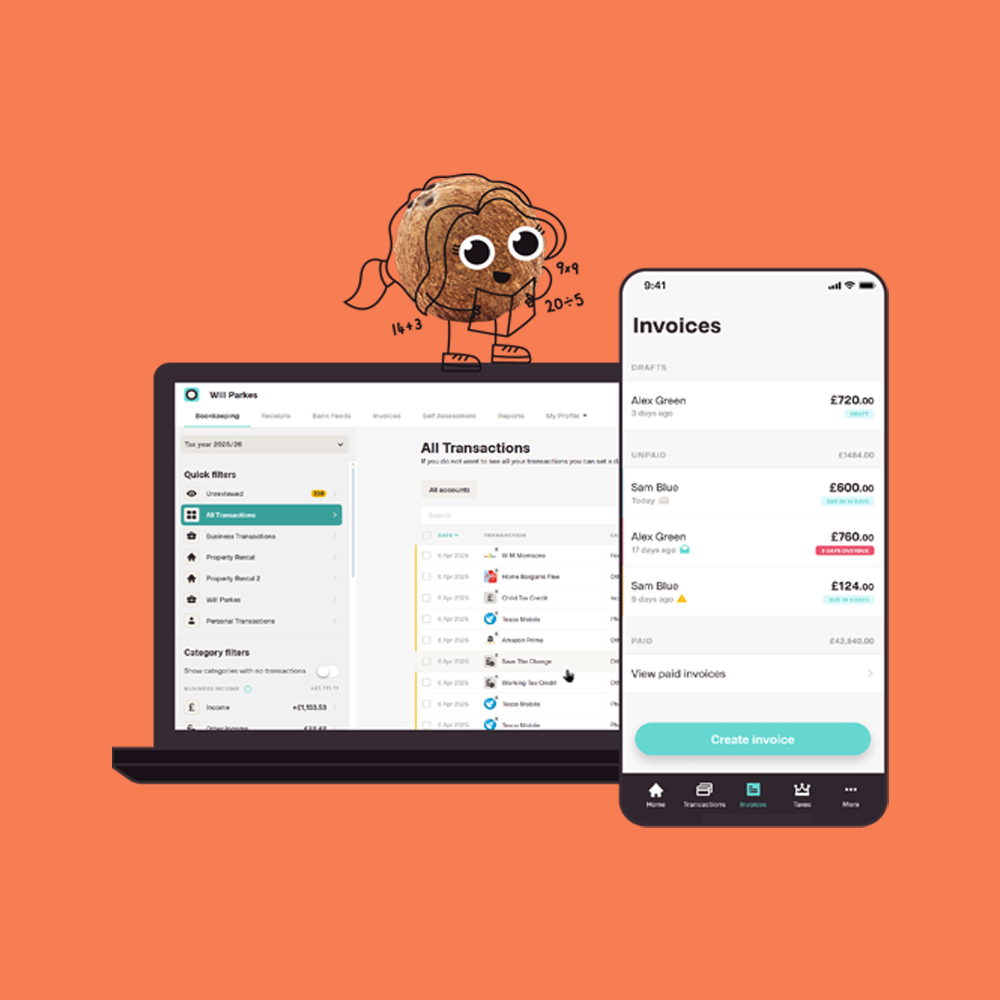
Moving your clients towards digital recordkeeping doesn’t have to be a battle. In fact, with tools like Coconut, which is designed to be accountant-friendly and specifically for sole traders, you can give every client:
- Real-time visibility of their accounts
- Simple recordkeeping
- Effortless MTD readiness
- Fewer errors
- Fewer surprises
And you can finally stop chasing those missing receipts!
Even better, creating a partner account is completely free so take the first step today and start serving your clients in a smarter way.