




Let’s face it. Taxes probably aren’t the highlight of your week. But unfortunately, if you’re a landlord, sole trader or self-employed professional, you can’t just ignore it and hope it goes away.
There are big changes coming in 2026 that deserve your attention too. Namely that the world of tax is going digital. But don’t panic, with a few key dates and some prep, you’ve got this. And we’re here to make it easier.
Quick summary:
- MTD for Income Tax starts in April 2026 for those earning £50,000+
- Instead of the annual Self Assessment, there will now be quarterly updates
- Coconut’s built-in MTD tools mean you’ll be ready long before the deadline
Key dates and deadlines
Below, you’ll find a cheat sheet of must-know MTD deadlines and what they mean for you:
Deadline dates for £50k Mandation:
6 Apr 2026 → MTD starts for £50k+
7 Aug 2026 → 1st quarterly update
7 Nov 2026 → 2nd quarterly update
31 Jan 2027 → 25/26 Self Assessment
7 Feb 2027 → 3rd quarterly update
7 May 2027 → 4th quarterly update
31 Jan 2028 → 26/27 MTD tax return
Deadline dates for £30k mandation:
6 Apr 2027 → MTD starts for £30k+
7 Aug 2027 → 1st quarterly update
7 Nov 2027 → 2nd quarterly update
31 Jan 2028 → 26/27 Self Assessment
7 Feb 2029 → 3rd quarterly update
7 May 2028 → 4th quarterly update
31 Jan 2029 → 27/28 MTD tax return
Deadline dates for £20k mandation:
6 Apr 2028 → MTD starts for £20k+
7 Aug 2028 → 1st quarterly update
7 Nov 2028 → 2nd quarterly update
31 Jan 2029 → 27/28 Self Assessment
7 Feb 2029 → 3rd quarterly update
7 May 2029 → 4th quarterly update
31 Jan 2030 → 28/29 MTD tax return
Once MTD starts, it’s the same deadline dates every year.
What this means for you
In short, instead of completing a yearly Self Assessment, you’ll move to quarterly updates. This means every three months, you’ll send HMRC a summary of your income and expenses.
You’ll still need to do an annual MTD tax return, but the idea is that this new approach will make tax simpler. Yep, you can wave goodbye to hunting for receipts at the back of the wardrobe or crying into spreadsheets every January.
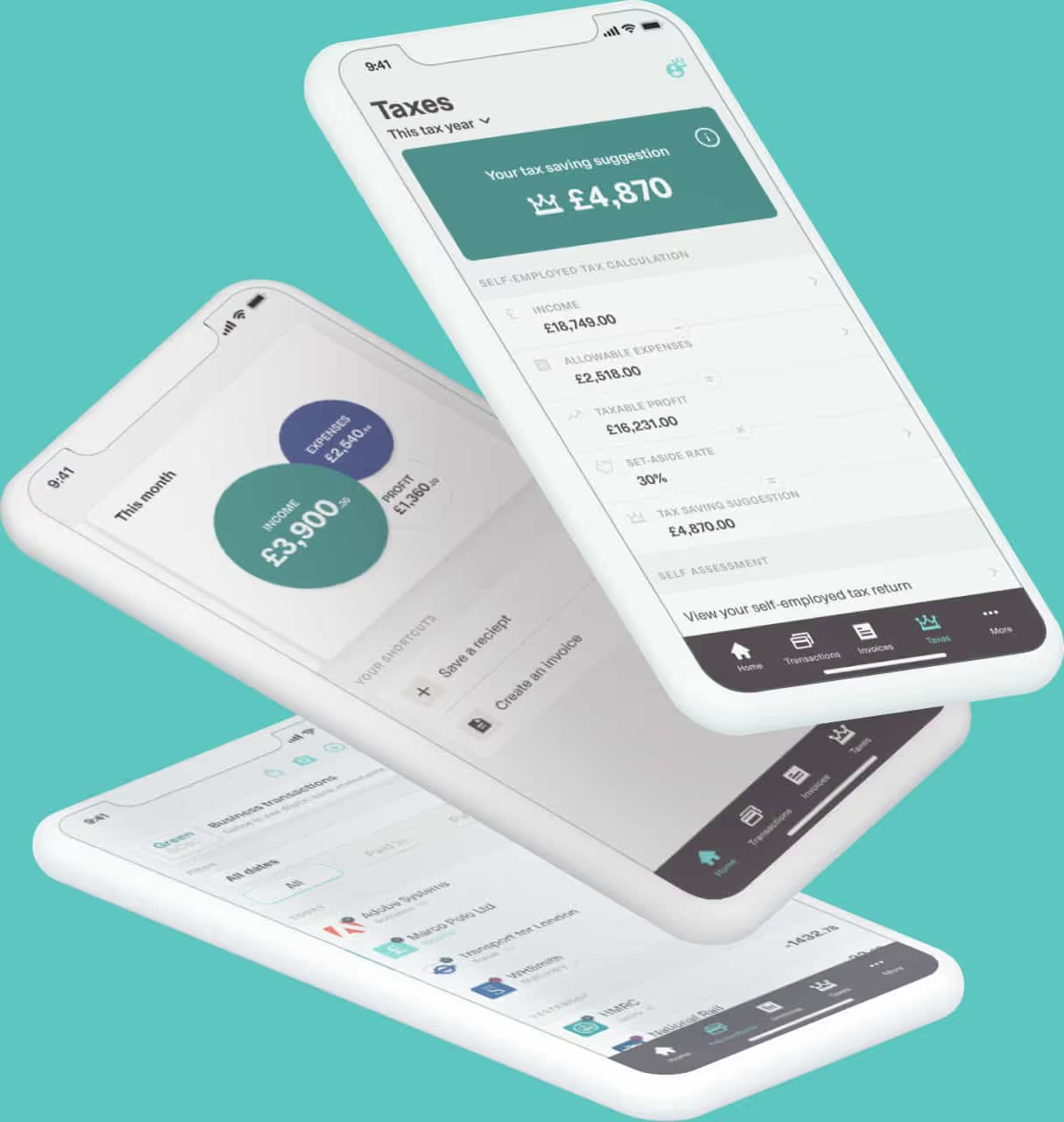
Top tip: Coconut allows you to see if you’ll be affected. Just connect your bank account to instantly see your qualifying income total.
Top tips to help you prepare
- Don’t ignore the changes - Even if this doesn’t apply to you now, it could do in the future so why not get ahead with MTD-ready software like Coconut?
- Mark your calendar - Add those quarterly deadlines now. Your future self will thank you.
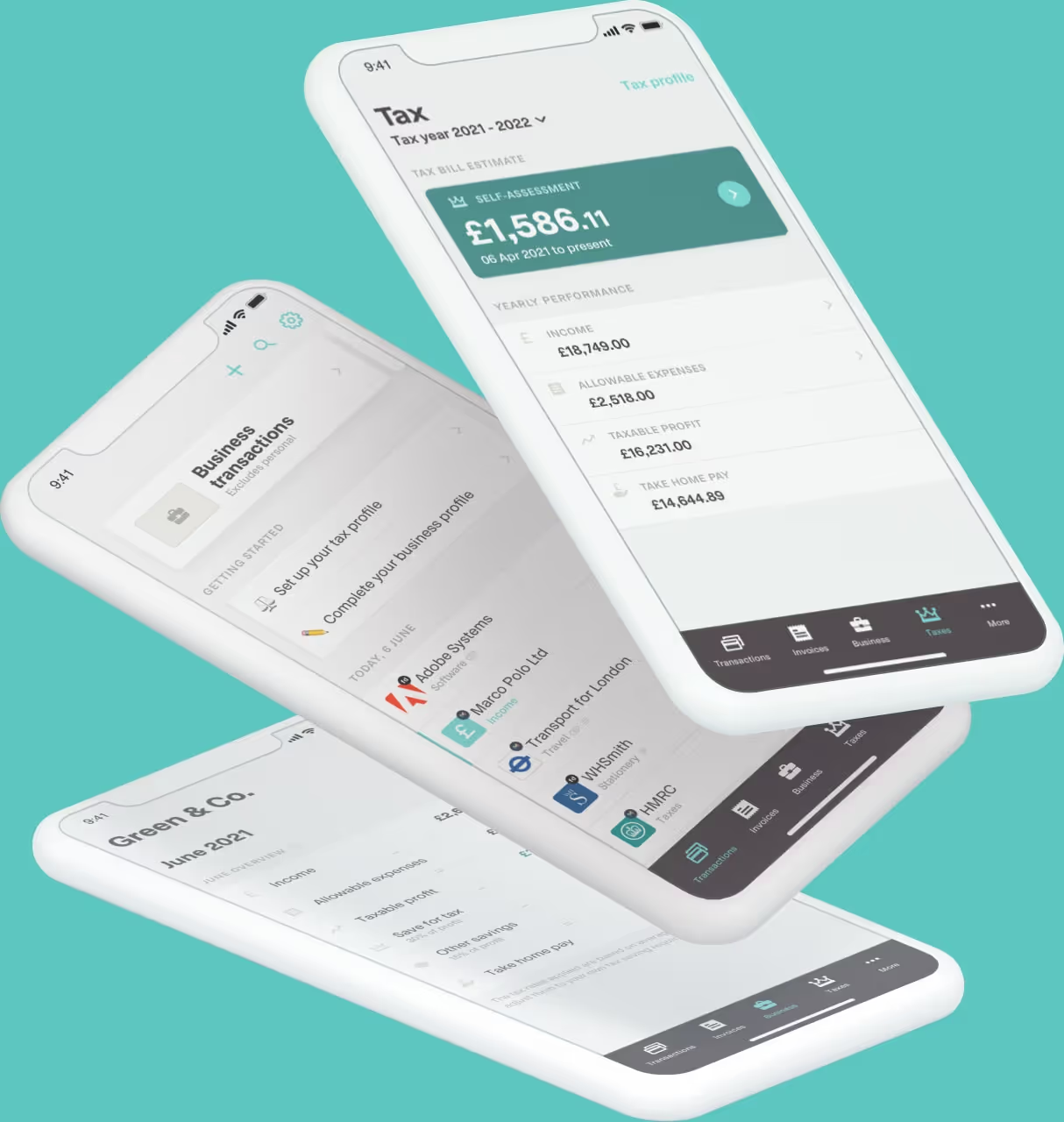
- Automate where possible - Why not allow Coconut to track your expenses, categorise them and remind you when updates are due?
- Separate your streams - Got property and freelance income? Keep digital records for each. This is a requirement under MTD.
- Do a practice run - Try quarterly updates using Coconut before the changes kick in. It’ll help you get into the rhythm early and spot any gaps.
Our jargon-buster corner
- MTD ITSA: Making Tax Digital for Income Tax Self Assessment (the full mouthful!).
- Quarterly update: The mini digital reports you’ll send to HMRC every three months.
MTD FAQs
Q: I earn £45,000 from freelancing and £5,000 from property. Do I need to comply from April 2026?
A: Yes. Your total qualifying income is £50,000, so you’ll join the MTD crowd from April 2026.
Q: What if my income goes up mid-year?
A: HMRC determines based on your previous tax year, so changes mid-year don’t shift your start date.
Q: What if I’m below the £30,000 mark?
A: You’ll likely be brought in from April 2027 or later. Still, getting digital early means no panic later.
Got any other questions? Contact our team to separate fact from fiction.
Let Coconut do the hard work
The world of tax is changing. But for entrepreneurs, freelancers and landlords, it’s a good thing. After all, quarterly updates mean less last-minute stress, more up-to-date insights and fewer receipts to lose!
Plus, when you lean on tools like Coconut, most of this happens automatically - think digital records, categorised expenses and reminders for key dates. So instead of wrestling with your own spreadsheets, why not sign up to Coconut and instead focus on what you do best?