
January can feel like a financial minefield. After the festive season, the reality of deadlines, forms and figures hits hard, especially for Self Assessment. But with some forward planning, you can avoid the usual stress and make sure you stay ahead of HMRC’s deadlines.
1. Understand the key dates
Self Assessment deadlines are fixed and strict:
- 31 October – Paper tax returns
- 31 January – Online tax returns and balancing payment
- 31 January – First payment on account for the next tax year
- 31 July – Second payment on account
2. Start Your record-keeping early
Don’t wait until the new year to organise receipts, invoices and bank statements. Keeping records up to date throughout the year means:
• You won’t have to scramble for missing information
• Future submissions are far simpler when you keep your records in a digital format
• You can spot potential tax savings earlier
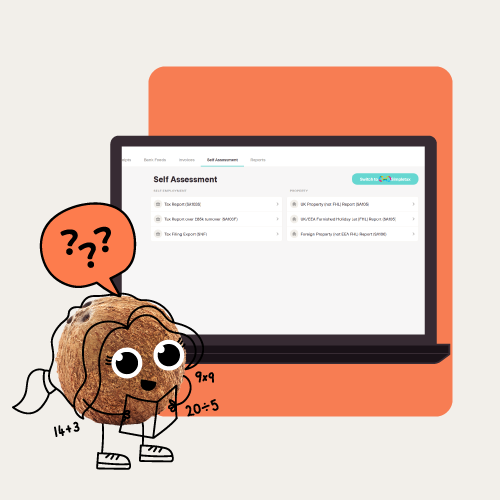
Consider using digital bookkeeping tools, like Coconut, that help you keep your records organised. These platforms make it easier to generate reports and track deductible expenses in real time.
3. Break it down into manageable tasks
Self Assessment doesn’t have to be tackled in one sitting.
Create a plan for January:
- Week 1: Gather all income records
- Week 2: Collate receipts and allowable expenses
- Week 3: Check that all income, expenses, and supporting documents are entered correctly before completing your Self Assessment
- Week 4: Complete and submit your Self Assessment tax return
By spreading the work out, the task becomes less overwhelming and you give yourself time to double-check figures.
4. Ask organised early
If your finances are a bit more complex, Coconut makes it easier to stay organised ahead of time. Clear, up-to-date records help you:
- Spot deductions you might otherwise miss
- Cut down the risk of mistakes that could lead to fines
Getting ready ahead of time helps you avoid stress later on, especially when the new rules come in but also makes January far less stressful.
January Self Assessment stress is largely avoidable. With proper planning, organised records and early help, you can breeze through the deadline without the usual panic. Start now, and you’ll thank yourself when everyone else is rushing to hit 31 January.